

172 , Nargs 3، the 5th Settlement, New Cairo, Cairo, Egypt.

EU-ZIRA3A program

EU-ZIRA3A program

Breaking Ground in Egypt's Agri-Future: CVC's Game-Changing Boost to Extension Services

By Climate Vision Consulting (CVC) Team

In a bold move under the EU-ZIRA3A program, and in partnership with the AESA–CIHEAM BARI consortium; Climate Vision Consulting (CVC) is supercharging Egypt’s agricultural extension sector through a participatory, evidence-based vision that bridges research, policy, and field realities—embedding Climate-Smart Agriculture (CSA) principles of sustainable productivity, adaptation, and reduced emissions, alongside Good Agricultural Practices (GAP), into day-to-day agricultural advice for 10 vital crops: wheat, maize, sorghum, sugarcane, onion, citrus, pomegranate, potatoes, tomatoes, and medicinal/aromatic plants like basil, anise, caraway, mint, and geranium.

Partnering closely with the Ministry of Agriculture and Land Reclamation (MALR), the Agricultural Research Center (ARC) including its outreach stations in Sohag, Assiut, and Beni Suef, as well as professors from Cairo and Beni Suef Universities, CVC’s powerhouse initiative has delivered in-depth situation analyses, co-created national manuals, and comprehensive training for 660 extensionists (30% women) plus 90 Farmer Field School facilitators, igniting 150 FFSs that reach thousands of farmers in Upper Egypt and yield real successes including improved productivity and smarter water management.

As part of this transformative effort, CVC’s “knowledge bridge” is driving Egypt toward resilient agriculture, setting the stage for widespread CSA adoption, enhanced food security, and slashed emissions—proving resilient farming isn’t just a vision but Egypt’s new reality, with exciting updates on FFS outcomes and new thematic initiatives on the horizon.

Here’s is the vision and how CVC designed, planned, and executed this groundbreaking integration, step by step, through strategic consultations, stakeholder partnerships, and hands-on capacity building.

Step 1: Align and diagnose: CVC secured institutional alignment with MALR and conducted a structured situation analysis—validated through direct field engagement with extension teams, local authorities, cooperatives, and farmers—to identify priority needs, climate and irrigation challenges, and key gaps in existing extension materials.

Step 2: Co-create and validate solutions: Through intensive technical consultations, CVC coordinated a collaborative drafting and review process with MALR, ARC scientists, and university professors to translate research into practical, farmer-ready guidance. The result was a major milestone: MALR‑endorsed extension manuals for the 10 crops that include dedicated CSA and GAP sections for the first time, providing a standardized national reference for extension delivery.

Step 3: Build capacity for scale and sustainability: To ensure the new guidance reaches farms, CVC implemented a capacity-building cascade—strengthening extension staff through Training of Trainers (ToT) and preparing Farmer Field School (FFS) facilitators to lead participatory learning, demonstrations, and adoption support, with continued technical backstopping from ARC and university experts.

The Vision: Bridging Research, Policy, and Field Realities

CVC’s approach was rooted in a participatory, evidence-based framework aimed at embedding CSA principles—sustainable productivity, adaptation, and emissions reduction—into everyday agricultural advice. As part of EU-ZIRA3A, implemented by the AESA-CIHEAM BARI consortium, CVC focused on updating extension materials for 10 major crops: wheat, maize, sorghum, sugarcane, onion, citrus, pomegranate, potatoes, tomatoes, and medicinal/aromatic plants (e.g., basil, anise, caraway, mint, geranium), with a focus on CSA and GAP.

Our goal? To create a “knowledge bridge” between scientific research and farmers’ fields, ensuring extension services are not just informative but transformative. This was achieved through a multi-phase methodology that prioritized inclusivity, local relevance, and long-term sustainability.

Step 1: Inception and Situation Analysis – Laying the Groundwork

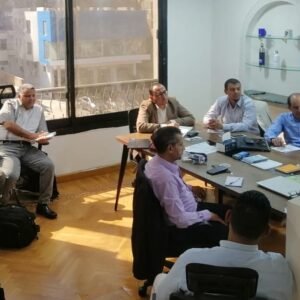
CVC kicked off the project in July 2025 with a comprehensive inception phase, mobilizing a core team of experts including rural sociologists, extension specialists, agronomists, and economists with extensive consultation with the Ministry of Agriculture and Land Reclamation’s (MALR) Extension Sector. These meetings secured institutional buy-in, appointed focal points, and aligned our work with MALR’s priorities.

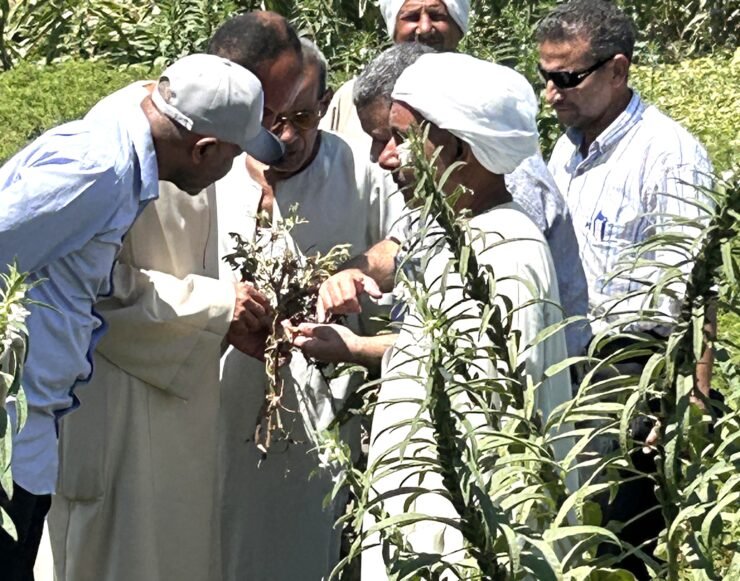
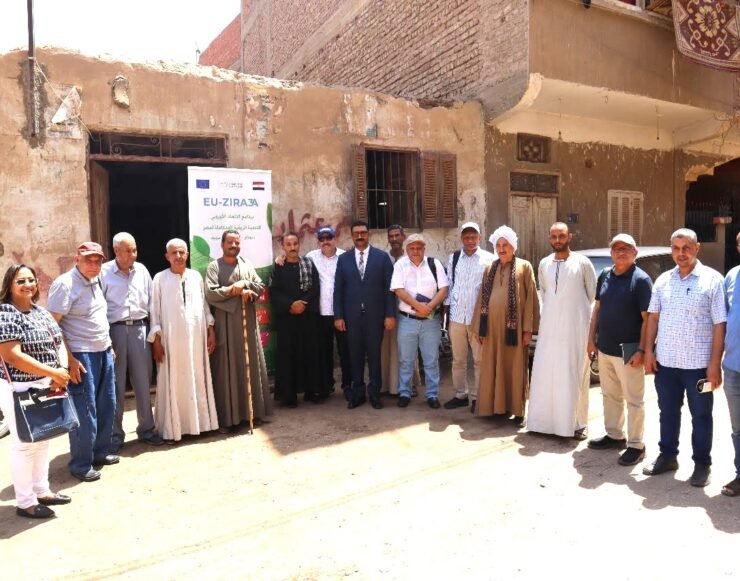
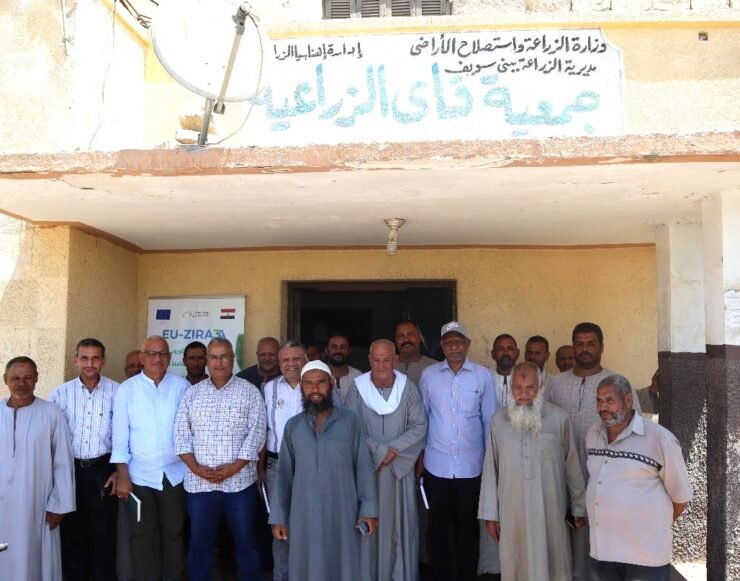
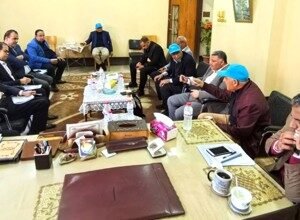
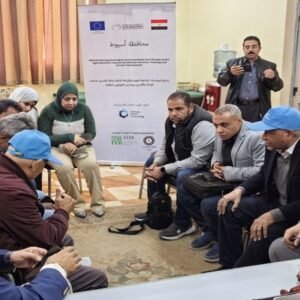
A key output was a detailed Situation Analysis of Egypt’s extension system. Using surveys, focus groups, and expert reviews, CVC identified gaps: outdated manuals lacking explicit CSA/GAP guidance, understaffed extension teams, and farmers’ reliance on unreliable sources like social media. Field missions in August 2025 to Sohag, Assiut, and Beni Suef “ground-truthed” these findings, engaging local authorities, cooperatives, and farmers. These missions enabled a deeper understanding of the key challenges facing farmers, while systematically mapping cropping patterns, irrigation challenges, and climate related vulnerabilities at the field level.

CVC’s strength lies in fostering multi-stakeholder partnerships. We engaged deeply with MALR institutions, the Agricultural Research Center (ARC) headquarters in Cairo, and outreach stations in Sohag, Assiut, and Beni Suef. University professors from Cairo and Beni Suef Universities provided academic rigor, while ARC experts contributed cutting-edge research on heat-tolerant varieties, integrated pest management (IPM), and water-efficient techniques.

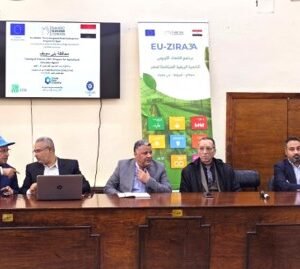
A key October 2025 workshop unified these perspectives together, establishing a sahred standardized understanding of GAP/CSA concepts and methodologies. ARC specialists further validated crop-specific practices, ensuring alignment with Egypt’s agro-ecological conditions.

Cooperation Spotlight: ARC’s role extended beyond reviews; their experts supported the training of extension and agricultural officers in the field, the Farmer Filed Schools (FFS) facilitators, bridging lab-based innovations with on-farm applications. University professors enriched content with educational tools, making materials accessible for extension agents and farmers.

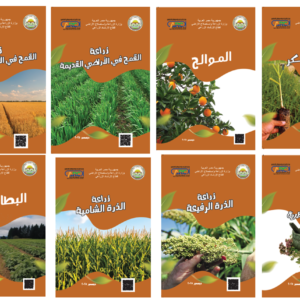
This collaborative process resulted in a major milestone: the first-ever MALR-endorsed extension manuals with dedicated sections on CSA and GAP. These 10 crop-specific guides cover soil management, irrigation, pest control, and post-harvest practices, balancing productivity, resilience, and environmental sustainability. Formally published by MALR, they now serve as national references, disseminated via official channels.

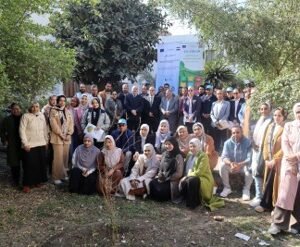
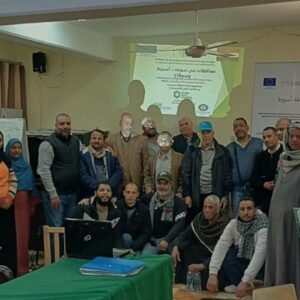
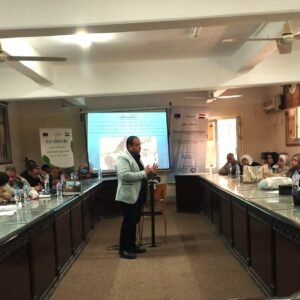
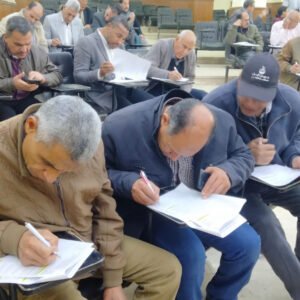
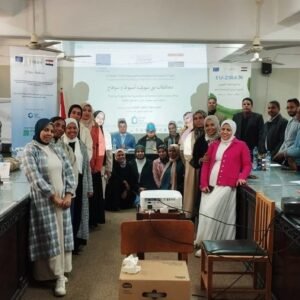
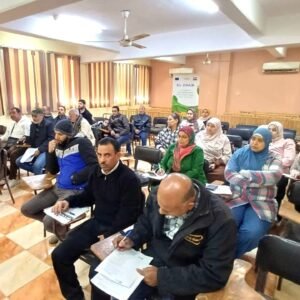
CVC placed capacity building at the heart of mainstreaming CSA. We trained 660 extensionists, over 30 percent of whom were women, through 25 Training of Trainers (ToT) workshops (expanded from 22 to include extension basics and FFS principles). Held from December 2025 to January 2026, these sessions—delivered in partnership with MALR and ARC—equipped participants with CSA tools like drip irrigation, bio-fertilizers, and agricultural waste management.

Building on ToT outcomes, CVC selected and trained 90 FFS facilitators (30 per governorate) in February 2026. About 30 percent of the facilitators were women. Sessions emphasized participatory techniques, ethical standards, and digital monitoring, with a focus on gender inclusion. ARC experts and university professors co-facilitated, providing hands-on support during FFS rollout.

Our messages

Under the EU-ZIRA3A program, CVC is transforming Egypt’s agricultural extension sector by embedding CSA and GAP principles into expert-backed national manuals for 10 vital crops, training 660 extensionists and 90 FFS facilitators, and reaching thousands of farmers across Upper Egypt with proven gains in productivity and water efficiency.
CVC’s “knowledge bridge” is turning resilient farming from vision into reality—driving Egypt toward widespread CSA adoption, enhanced food security, and reduced emissions. Stay tuned for exciting FFS outcomes and new thematic initiatives on the horizon!
Select the fields to be shown. Others will be hidden. Drag and drop to rearrange the order.
  • Image
  • SKU
  • Rating
  • Price
  • Stock
  • Availability
  • Add to cart
  • Description
  • Content
  • Weight
  • Dimensions
  • Additional information
Click outside to hide the comparison bar
Compare